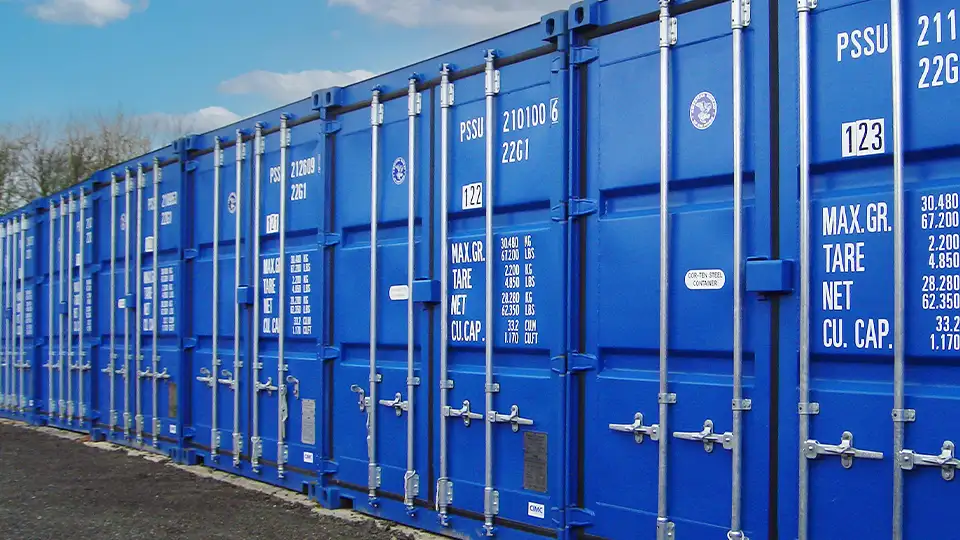
Looking to store smarter and greener? This guide is packed with practical, eco-friendly storage tips to help you protect your belongings while minimising your environmental impact. Whether you’re packing up personal items or business inventory, we’ll talk you through sustainable alternatives to cardboard, bubble wrap (and more!) – and even share expert advice for navigating self storage containers. Dive in and discover how you can reduce packaging waste and make storing kinder to the planet.
Pre-storage: Thoughtful Preparation
Before you start packing, take a moment to assess your unique storage needs. For instance, a student temporarily storing furniture before moving into new accommodation will likely prioritise convenience and affordability, while a mobile builder juggling client demands might require 24/7 secure access to tools and equipment. Hence, the student might opt for a local indoor self storage unit, while the builder could benefit from a self storage container, like those available at our West Midlands sites.
Once you’ve chosen your storage, proper packing becomes essential – not just to protect your belongings but to extend their lifespan and reduce waste. Begin by evaluating what items you’ll be storing and determining the materials you’ll need. This approach helps you avoid overstocking, saves you money, and conserves valuable natural resources.
Now that you’re all set, let’s explore your options and discover the sustainable alternatives available for you to choose from.
Some Sustainable Alternatives to Your Popular Packaging Options
You’ve probably used or considered common packaging materials like cardboard boxes, tape, and bubble wrap in the past – but they’re not the most eco-friendly options out there. Here’s a list of sustainable, cost-effective alternatives to inspire better choices for your belongings and the planet.
Cardboard
Cardboard is a go-to for packing and storing – it’s affordable, versatile, and more eco-friendly than plastic due to its biodegradability and recyclability, boasting an impressive recycling rate of 92.9%. However, its production still comes with an environmental cost, using substantial water and energy, and contributing to deforestation.
- Go Circular: Opt for boxes made from 100% recycled cardboard. Not only are these fully recyclable, but they also help reduce the need for virgin resources and promote a circular economy.
- Check Certifications: Look for certifications like FSC or PEFC on packaging. These indicate that the materials come from sustainably managed forests.
- Size Matters: Choose the right-sized boxes to cut down on both material waste and packing supplies. Less is more when it comes to reducing your environmental footprint.
- Repurpose What You Have: Got cupboards or drawers to store? Skip the extra boxes and pack items directly into their shelves. It’s an easy way to reduce waste, save on materials and make your storage more sustainable.
Foam Peanuts and Bubble Wrap
Foam peanuts and bubble wrap are classic packing materials known for their lightweight cushioning. They’re great for filling gaps in boxes or wrapping delicate items like glassware and electronics, and bubble wrap can even be cut to needed size. But these plastics often end up as single-use waste, undermining our sustainable packing goals.
- Eco-Friendly Peanuts: Swap out polystyrene foam peanuts for eco-friendly alternatives made from biodegradable materials like corn or wheat starch. These break down naturally, and if you don’t plan to reuse them, they can be dissolved in water and composted!
- Repurpose What You Have: Recycled bubble wrap is a good option, but you may have other packing materials right at home – think old newspapers, towels or fabric scraps. These can work just as well, cutting down on waste and saving you money.
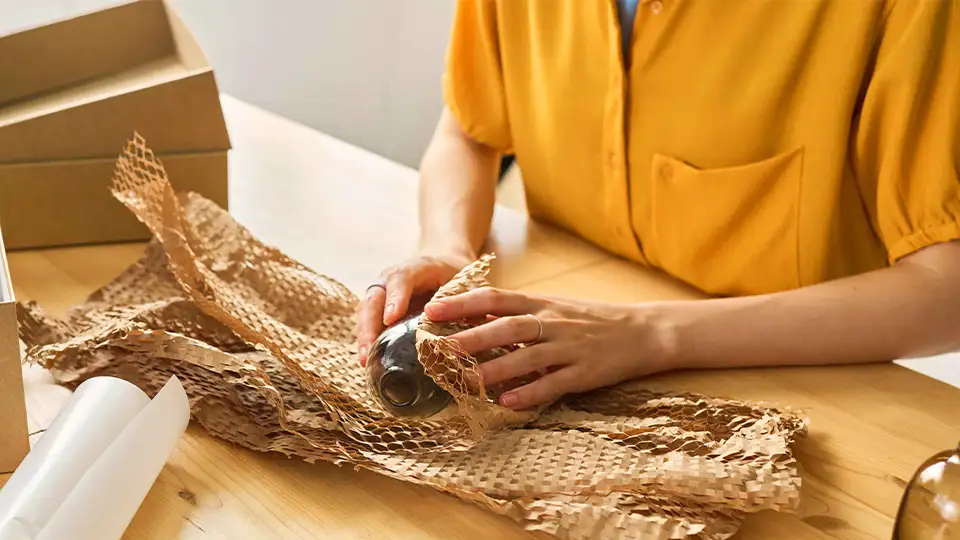
- Cushioned Paper Wrap: For a more innovative approach, try recyclable cushioned paper wraps. The one made with honeycomb cells locks together under tension, eliminating the need for adhesive tape – making it a practical and sustainable packing solution.

Shrink Wrap
Shrink wrap, or pallet wrap, is commonly used to bundle items. It also acts as a tight seal that protects items from dust, dirt and moisture. While it’s made from recyclable materials like low-density polyethylene (LDPE) or polyvinyl chloride (PVC), it requires professional recycling services, making it impractical for standard home recycling.
- Green Alternatives: Consider compostable wraps made from plant-based materials like polylactic acid (PLA). These break down naturally, offering an eco-friendly option for packaging.
- Recycled Cardboard: If you need protection from dust, recycled cardboard sheets can do the job without the plastic waste.
- Repurpose What You Own: You can also reuse blankets, old covers or fabric to wrap large items like furniture or mirrors – an easy, cost-effective and sustainable option.
Plastic Storage Options
Plastic bags and boxes offer protection from dust and moisture, and plastic crates are stackable and strong enough for heavy items. While they can be sustainable when reused many times, they should be disposed of responsibly to minimise environmental impact.
- Cloth Bags: Consider switching to cloth bags, which are as durable, but also biodegradable and break down much faster in landfills compared to plastic.
- Cardboard Boxes: As an eco-friendly alternative, cardboard is biodegradable and recyclable, though not as strong as plastic for heavy-duty storage.
- Wooden Storage: Wooden crates and boxes are another durable, recyclable and biodegradable option – just ensure the wood is sourced from sustainably managed forests.
Tape
Tape is a common tool used to seal boxes and bundle items, but have you considered its materials and disposal? Conventional tape has two main components, the backing and adhesive. The backing is often made of not easily recyclable polypropylene or vinyl, and the adhesives, which vary in type, come with their own recycling challenges.
- Paper Tape: Switch to plastic-free paper tape for a more sustainable option. Made from renewable kraft paper, it’s easy to recycle with the cardboard box – just leave it on! Choose tapes with natural rubber adhesives for an even greener choice.
- Water-Activated Tape: Water-activated tape (WAT) is another great option. It’s often made from paper (usually kraft), provides a strong seal and the adhesive is water soluble, so breaks down easily in the recycling process. If you’re unsure about your tape’s recyclability, check the packaging or ask your local recycling facility for advice.
Labelling
Once your items are packed and secured, labelling is the next step. Labels not only make items easy to identify but also help with organisation, prevent misplacement, and support record-keeping. And the best part? Labelling can be sustainable too!
- Eco-Friendly Labels: Choose labels made from 100% recycled materials or kraft paper for a recyclable option. For a reusable alternative, consider chalkboard labels, which can be easily wiped clean and relabelled as needed.
- Use What You Own: For a DIY twist, create tags from fabric scraps and write on them with fabric markers. You can also write directly on boxes with non-toxic markers or pencils. For a digital approach, consider creating an inventory to track the contents of each box, keeping things organised without the paper waste.
Sustainable Considerations When Packing for Container Storage
Shipping containers are a convenient storage option, though they do require some extra care. Unlike indoor self storage units, containers are subject to temperature and humidity changes, which can sometimes cause condensation. But don’t worry – there are smart, sustainable ways to pack your items to keep them safe and protect the planet.
- Control Moisture with Absorbers: If a climate-controlled container isn’t an option, moisture absorbers can help regulate humidity and protect items like documents, photos, wooden furniture, and textiles from damage. Aim to use at least three absorbers for effective coverage, which should last you over two months.
- Use Vacuum-Sealed packaging: Vacuum-sealing safeguards your items from moisture, mould, and mildew while saving space. For a more sustainable option, choose reusable vacuum bags if you’ll reseal often, use a manual hand-pump to cut down on energy use (and get a mini workout), and pick bags made from biodegradable or recycled materials.
- Protecting Furniture: Furniture is particularly vulnerable to moisture and wrapping it provides a much-needed protective barrier. Sustainable wrapping options, such as eco-friendly shrink wrap, were previously discussed – consider if these work for you. For additional protection, invest in furniture covers with recycled content that can also be fully recycled after use.
- Think Beyond Cardboard: Cardboard is a common choice, but it’s not always the best for long-term storage as moisture can weaken it. Instead, try reusable plastic bins or durable, waterproof storage boxes that are stackable and space efficient. If you opt for cardboard, make sure it’s made from recycled materials and reuse it whenever possible.
Post-Storage: Responsible Unpacking
Packing sustainably is just one part of the journey – unpacking offers another opportunity to make a positive impact. The key to a circular economy is extending the life of resources, so when your storage contract ends, take a moment to evaluate your packing materials. Can they be recycled, reused, or upcycled? Doing so reduces landfill waste, conserves natural resources, and protects ecosystems.
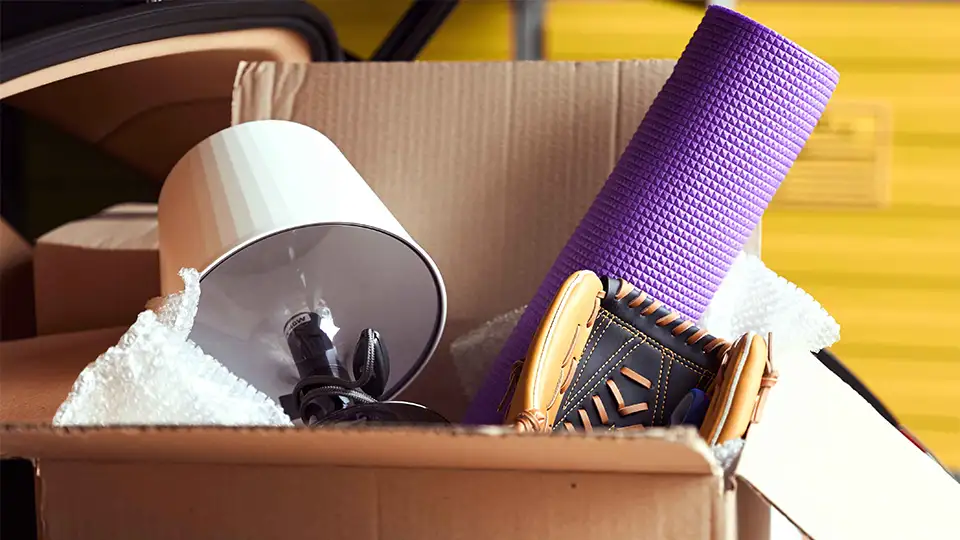
And what about the items you’ve been storing? If you find yourself with things you no longer need – like a lampshade that no longer matches your decor or unsold inventory – don’t throw them away! Instead, consider selling them for some extra cash or donating them to a charity, giving them a second life and contributing to a good cause. This is where the saying, another man’s trash is another man’s treasure can be proven true!
Final words
We hope this blog has given you a steer on what to look for in a self storage facility. The best way to ensure you reap the full benefits of self storage is to work with a brand you can trust. Our U Can Store It Self Storage sites in Aldridge, West Bromwich, and Coventry offer secure quality units, ease of access, and up front fixed costs for commercial and private customers throughout the Midlands. Contact us today to find out more.